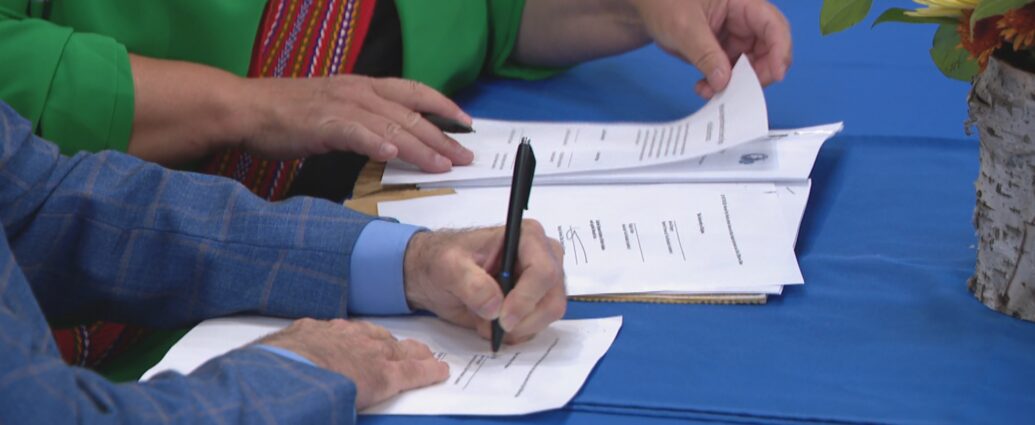
A proposed treaty that would give greater self-government to the Red River Métis is progressing through Parliament, but First Nations leaders are urging Ottawa to stop the legislation, warning it could violate existing treaty rights.
The Manitoba Métis Federation says the Red River Métis Self-Government Recognition and Implementation Agreement reached its second floor in the House of Commons this week, marking a significant step forward.
However, the Assembly of First Nations opposed the bill, saying First Nations were not consulted adequately and that no new treaties should be made on their traditional territories.

Get the latest national news
Get the latest Canadian news delivered to your inbox so you never miss a trending story.
National Chair Cindy Woodhouse Nepinak said the proposed law lacks clarity regarding territorial coverage.
“The undefined territorial scope of the Red River Métis in the bill would leave room for expansive Métis jurisdiction over the territory in conflict with existing First Nations rights and jurisdiction,” he said.
Much of Canada’s territory is already covered by historic treaties, and some First Nations leaders warn that introducing new treaties could create overlap and lead to prolonged legal disputes.
The Manitoba Métis Federation says the treaty is not about land or resources, but rather about recognizing Métis self-government and addressing long-standing historical grievances.
The Federation considers the Manitoba Act of 1870 to be the initial treaty negotiated with Canada, although the Métis were not officially recognized as a separate nation at the time.
Although Métis leaders say the new treaty has been decades in the making, First Nations leaders argue it should not supersede their inherent treaty rights or sovereignty, and warn they are prepared to challenge the treaty in court.
© 2026 Global News, a division of Corus Entertainment Inc.


Comments are closed, but trackbacks and pingbacks are open.