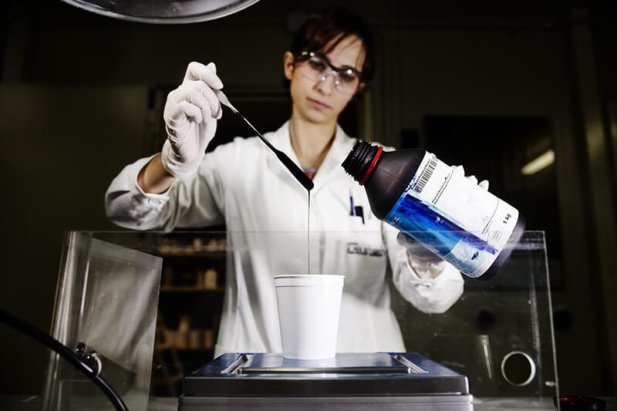
Understanding UV RAFT Technology
UV RAFT (Ultraviolet Reversible Addition-Fragmentation Chain Transfer) technology is a modern polymerization technique that allows scientists and manufacturers to create highly controlled polymer structures using ultraviolet light. Unlike conventional polymerization methods, UV RAFT offers precise control over molecular weight, architecture, and composition, making it a valuable innovation in advanced materials science.
As the industry continues to demand smarter, more efficient and sustainable materials, UV RAFT Technology is becoming the solution of choice for developing next-generation polymers with enhanced performance characteristics.
How UV RAFT Technology Works
The process combines RAFT polymerization chemistry with UV light activation. When exposed to ultraviolet light, special RAFT agents initiate controlled chain growth, allowing polymer molecules to form in a highly predictable manner.
One of the greatest advantages of this approach is its ability to operate under mild conditions while maintaining exceptional control over the polymer structure. Researchers can start, stop, and even modify reaction processes as needed, resulting in greater flexibility during materials development.
Key Benefits of UV RAFT Technology
Enhanced Polymer Control
UV RAFT allows the production of polymers with a uniform molecular structure. This consistency improves product quality and ensures reliable performance across a wide range of applications.
Energy Efficient Processing
Because UV light drives the reaction, this technology often requires lower energy consumption than traditional thermal polymerization methods. This contributes to more sustainable manufacturing practices.
Custom Material Design
Manufacturers can customize polymer properties to meet the needs of specific industries. Whether the goal is increased durability, flexibility, or chemical resistance, UV RAFT offers exceptional customizability.
Reducing Material Waste
Controlled polymer growth minimizes unwanted side reactions, resulting in more efficient use of raw materials and reduced production waste.
Industrial Applications of UV RAFT Technology
UV RAFT technology finds applications in various sectors, including water treatment, biomedical engineering, coatings, adhesives, electronics and specialty chemicals. The ability to engineer polymers with precise characteristics makes them invaluable to industries requiring high-performance materials.
In the water treatment sector, organizations working together a Canadian Polyacrylamide Manufacturer can benefit from advanced polymer research that supports increased flocculation efficiency and process optimization. The controlled synthesis offered by UV RAFT may contribute to the development of more effective treatment solutions in the future.
The Future of Controlled Polymerization
As research advances, UV RAFT Technology is expected to play an important role in the evolution of smart materials and sustainable manufacturing. Its combination of precision, efficiency and versatility positions it as an essential tool for addressing modern industrial challenges.
Companies investing in advanced polymer science are increasingly exploring UV RAFT methods to create innovative products that meet growing market demands. With increasing emphasis on sustainability and performance, UV RAFT Technology will likely remain at the forefront of polymer innovation in the years to come.
Conclusion
UV RAFT technology represents a major step forward in controlled polymer synthesis. By enabling precise material design, reducing waste and increasing production efficiency, it offers significant advantages across a wide range of industries. As demand for advanced materials increases, UV RAFT is poised to become an important technology driving the future of polymer development.


Comments are closed, but trackbacks and pingbacks are open.