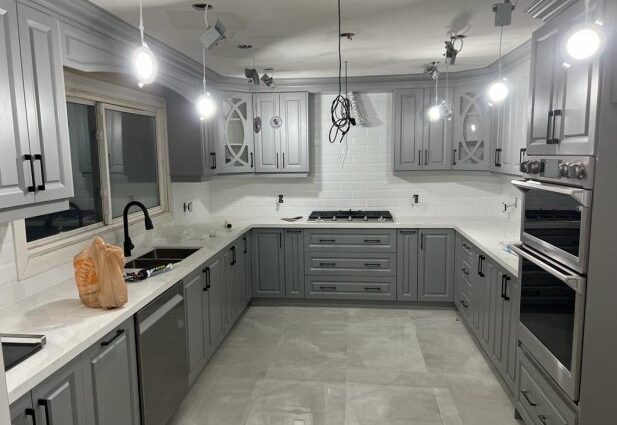
A home interior renovation is more than just an cosmetic upgrade—it’s a strategic improvement that increases functionality, comfort, and long-term property value. Whether you’re modernizing a kitchen, remodeling a bathroom, or redesigning your entire interior layout, a clear, step-by-step approach ensures smooth execution and lasting results. This guide outlines the renovation process in its entirety, helping homeowners make confident and informed decisions.
Step 1: Determine Your Renovation Goals
Every successful home interior renovation starts with clarity. Ask yourself:
- What areas need improvement?
- Is the goal improved aesthetics, better functionality, or increased resale value?
- Are you planning minor upgrades or structural modifications?
Clear objectives prevent scope expansion and keep your project aligned with your budget and schedule.
Step 2: Set a Realistic Budget
Budget planning is an important stage in every home interior renovation. Costs vary depending on materials, labor, structural changes, and project size.
When setting your budget:
- Research local renovation cost averages
- Ask the contractor for a detailed estimate
- Include emergency reserves (10–20%)
- Factor in permits, inspections, and design costs
Transparent budgeting reduces financial stress and allows for better decision making during renovations.
Step 3: Hire Experienced Professionals
Professional expertise ensures building code compliance and quality workmanship. Home interior renovations often involve electricians, plumbers, carpenters, designers, and general contractors working together.
When choosing a contractor:
- Verify licensing and insurance
- Review previous projects
- Ask for references
- Ensure clear communication practices
Experienced professionals not only perform the job efficiently but also anticipate and prevent common renovation problems.
Step 4: Create a Detailed Design Plan
Before construction begins, complete a layout of your design, materials, finishes, and fixtures. This stage includes:
- Floor plan adjustments
- Lighting layout
- Cabinet and storage configuration
- Floor selection
- Paint color scheme
A well-prepared design plan minimizes delays caused by changes mid-project. Many homeowners collaborate with interior designers to optimize space planning and aesthetic cohesion.
Step 5: Get Permissions and Approvals
Certain structural changes, electrical upgrades, or plumbing modifications require local permits. Skipping approval could result in fines or complications when selling your property.
Professional contractors typically manage permit applications, ensuring your home interior renovation complies with local regulations and safety standards.
Step 6: Prepare the Space
Preparation protects your home during construction. This may include:
- Removing furniture
- Cover floors and surfaces
- Set up a dust barrier
- Disconnect utilities when necessary
Careful preparation reduces the risk of damage and maintains safety during the renovation process.
Step 7: Dismantling and Structural Work
The renovation process often begins with demolition—removing old floors, cabinets, drywall, or non-load-bearing walls.
If structural modifications are involved, such as wall removal or layout reconfiguration, this phase requires precision and adherence to engineering guidelines. Safety and structural integrity remain the top priorities at this stage.
Step 8: Electrical, Plumbing, and Mechanical Updates
Once the structural framework is ready, a licensed professional will handle:
- Electrical rewiring and panel upgrades
- Relocation or replacement of pipes
- HVAC adjustments
This behind-the-scenes work ensures the renovated interior functions safely and efficiently. Investing in a modern system during your home’s interior renovation will improve long-term performance and energy efficiency.
Step 9: Insulation, Drywall, and Finishing Surfaces
Once the mechanical systems are installed, the insulation and drywall are completed. The walls are sealed, primed, and prepared for the finishing touches.
Next comes floor installation, cabinet placement, tiling, and painting. Attention to detail during this phase determines the overall visual impact of your renovation.
Step 10: Fixtures, Lighting, and Final Installation
This stage brings the design vision to life. Installation may include:
- Light fixtures
- Plumbing fittings
- Equipment
- Hardware and trim
- Internal storage unit
Layered lighting—combining ambient, task, and accent lighting—adds depth and functionality to renovated spaces.
Step 11: Inspection and Quality Check
Professional home interior renovations end with a thorough inspection. The contractor assesses:
- Electrical safety
- Pipeline functionality
- Structural stability
- Finishing quality
Addressing minor adjustments prior to project completion ensures long-term durability and homeowner satisfaction.
Step 12: Final Walkthrough and Project Handover
The final guide allows the homeowner to review the work completed and discuss maintenance recommendations. Reputable contractors provide detailed warranties and documentation for systems and materials installed.
Open communication at this stage strengthens trust and ensures transparency.
Common Challenges and How to Avoid Them
Even well-planned renovations can encounter obstacles. Here are key strategies for minimizing distractions:
- Avoid frequent design changes: Finalize decisions early.
- Communicate regularly: Weekly updates prevent misunderstandings.
- Plan for temporary discomfort: Renovations can disrupt daily routines.
- Choose quality materials: Durable materials reduce future maintenance costs.
Preparation and realistic expectations play a major role in a successful renovation.
Benefits of Well-Executed Home Interior Renovations
Carefully planned home interior renovations offer immediate and long-term benefits:
- Increased space functionality
- Modern aesthetic
- Increased property value
- Better energy efficiency
- Improved comfort and livability
In addition to the financial benefits, remodeling creates a space tailored to your lifestyle—whether it’s an open-concept living room, a productive home office, or a relaxing spa-style bathroom.
Why Planning Is More Important Than Speed
Rushed renovations often lead to costly mistakes. The methodical, step-by-step process ensures each phase is executed with precision. From initial planning to final inspection, careful coordination between homeowners and professionals ensures the project meets expectations.
Investing time in design, budgeting, and contractor selection significantly reduces stress and improves results.
Final Thoughts
Success home interior renovation built on careful planning, realistic budgeting, expert expertise and transparent communication. By following a structured, step-by-step process—setting goals, hiring qualified professionals, obtaining permits, and maintaining quality control—you can transform your interior space with confidence.
When approached strategically, interior renovation becomes more than just a construction project. This is an opportunity to create a home that reflects your needs, supports your lifestyle, and provides lasting value for years to come.


Comments are closed, but trackbacks and pingbacks are open.