Introduction
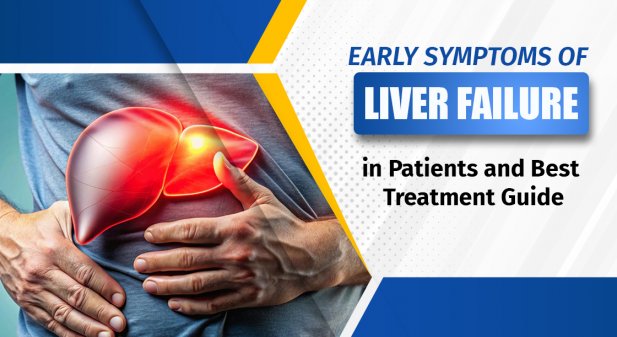
Liver failure is a critical medical condition that can develop silently before becoming life-threatening. Many patients with chronic liver conditions, including those being evaluated for a Deceased Donor Liver Transplantationoften realizing too late that there are early warning signs. The liver supports digestion, detoxification, and metabolism, and when the liver begins to fail, the entire body is affected. Identifying Symptoms of Liver Failure at an early stage can significantly increase the chances of recovery and reduce complications.
Unexplained Fatigue and Mental Fog
One of the earliest Symptoms of Liver Failure is constant fatigue that does not improve with rest. When the liver loses its ability to remove toxins from the blood, harmful substances accumulate and begin to affect brain function. This can cause confusion, poor concentration, irritability, and overall weakness. Many patients describe feeling constantly drained and unable to carry out daily activities. When fatigue occurs along with other Signs of Liver Failure, it should not be ignored.
Ongoing Digestive Problems
Digestive discomfort is another common symptom that is often underestimated. Nausea, vomiting, stomach ache, and loss of appetite occur when bile production is impaired. Because bile plays an important role in fat digestion, liver dysfunction interferes with nutrient absorption. Over time, this can lead to weight loss and nutritional deficiencies. Symptoms of Liver Failure Digestion often worsens without proper medical intervention.
Yellowing of the Skin and Eyes
Jaundice is one of the most recognized Signs of Liver Failure. The disease develops when bilirubin accumulates in the bloodstream because the liver cannot process it effectively. This causes yellowing of the skin and eyes, often accompanied by itching, dark urine and pale stools. In acute liver failure, the rapid onset of jaundice is very worrying and can have a direct impact on the Acute Liver Failure Survival Rate.
Swelling in the Legs and Abdomen
As liver damage gets worse, albumin production decreases. Albumin helps maintain fluid balance in blood vessels. When levels fall, fluid leaks into the tissues, causing swelling in the legs (edema) and abdomen (ascites). This visible swelling indicates significant liver dysfunction. Patients experiencing fluid retention and other signs of liver failure should seek immediate medical consultation.
Changes in the Color of Urine and Feces
Dark tea-colored urine and clay-colored stools are important Symptoms of Liver Failure. This discoloration is caused by improper processing of bilirubin and blockage of bile flow. Although subtle at first, these signs are reliable indicators of deteriorating liver health and require immediate testing.
Best Treatment: Immediate Medical Intervention
Early detection of Signs of Liver Failure allows doctors to initiate targeted therapy before complications worsen. Acute Liver Failure Survival Rates have increased significantly thanks to modern advances.
Hospitalization and Supportive Care: Intensive monitoring in a specialized unit helps manage the risk of bleeding, infection, kidney complications and electrolyte imbalances.
Liver Transplant: Liver transplantation remains a lifesaving option, with many medical centers reporting survival rates exceeding 80% after surgery.
Conclusion
One of the most important organs in the human body, the liver produces bile for digestion, filters pollutants, and controls metabolism. The impact may be fatal if it starts to malfunction. Recognizing Symptoms of Liver Failure early can make a significant difference in patient outcomes. Whether the condition develops gradually (chronic) or rapidly (acute), understanding the warning signs is essential for timely intervention. Acute Liver Failure Survival Rates increase dramatically when this condition is detected and treated promptly. This article outlines the most common Signs of Liver Failure and the best treatment approaches available today.
Early Signs of Liver Failure must be understood as they will determine whether the patient survives the condition or experiences severe health problems. Acute Liver Failure Survival Rates continue to improve as medical professionals now have better diagnostic tools and treatment methods, but the most effective way to achieve positive patient outcomes is early diagnosis. The liver failure symptoms described in this article require immediate medical attention from a healthcare provider. If you are looking for a reputable and highly specialized doctor to perform your liver transplant properly, book an appointment with Dr Ushast Dhir. His years of experience and skills determine the percentage of success.


Comments are closed, but trackbacks and pingbacks are open.