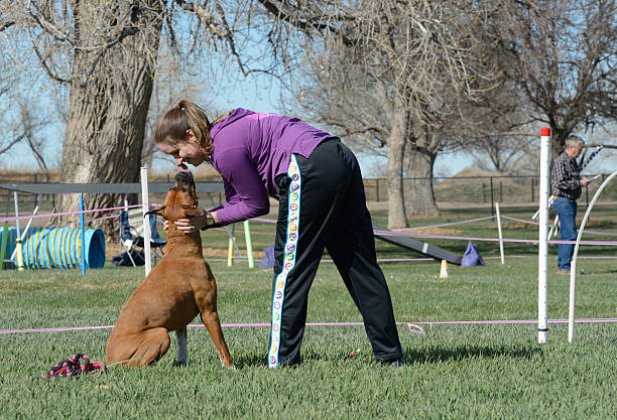
Reactive dogs can look “bad” in public. But most of them feel afraid, stressed, or trapped. If your dog barks, lunges, or growls while walking, you’re not alone. Plus, you didn’t fail. Reactive behavior is common and can improve.
Private dog training experts start with one big goal: helping you feel safe and in control. Then, they create a plan that fits your dog’s needs. Since every dog reacts for a reason, a good plan never uses guesswork. Instead, it uses clear steps, careful practice, and good support. If you want help like one on one dog training in San Fernando Valley CA, you can learn a lot by watching how the professionals work. So, let’s break it down in a simple way that you can use right now.
1) One-on-One Dog Training in San Fernando Valley CA Define “Reactive” and Set Clear Goals
The experts started by stating what they saw. Reactive dogs are not “acting out” for fun. Instead, they react when something feels too close or too scary. Additionally, the trigger can be a dog, person, bicycle, or even a sound.
One-on-one dog training focuses on your dog’s real life, not perfect tests. So, they choose one clear goal. For example, you may want to drive along a quiet sidewalk. Or you may want a quiet greeting at the gate. Then, they choose a simple size. That way, you can see progress quickly.
2) Prioritize Safety With Simple Management Steps
First, experts reduce risks. Since stress triggers a reaction, safety measures calm the entire system. Plus, these steps keep the workout from turning into a scary event.
Here are the general safety measures they use:
- Use strong straps and well-fitting harnesses
- Avoid narrow spaces, such as narrow sidewalks
- Cross the street early, before your dog explodes
- Choose a quiet time to go for a walk, such as early in the morning
- Bring high-value treats to cherish quiet moments
Next, they set distance rules. Distance is your best friend with a reactive dog. So, a trainer helps you recognize triggers more quickly. Then, you leave before your dog gets over the edge.
3) Map Your Triggers And Body Signals Before A Hard Workout
The experts watch your dog like detectives. They track what makes your dog angry and what your dog does first. Because the reaction develops gradually, early signs are very important.
Here’s a simple table that coaches often use to guide plans:
|
Trigger
|
Early signs of the body
|
What does the expert do next
|
|---|---|---|
|
Dog tied up
|
Body stiff, mouth closed
|
Add distance, respect eye contact
|
|
Strangers near the house
|
Barking at the gate
|
Block the view, practice quiet stations
|
|
Fast bike or scooter
|
Stare fixed
|
Turning around, medicine scattered on the grass
|
Additionally, many experts say, “Bark is the last step.” That idea helps you act faster. Then, your dog learns faster, with less stress.
4) Build Calm Skills At Home First
Professionals train inside before they train outside. Homework feels easier, so your dog can learn without fear. Additionally, calm skills give you the tools to actually walk around.
Coaches often teach “Let’s go” as a quick turnaround. Then, you can immediately leave the problem behind.
They use a short game that pays your dog for looking at you. For example, “name games” and “hand touches” work well.
Many experts teach mattress or bed cues. So, your dog deliberately learns to settle down.
Because these skills feel safe, your dog’s confidence increases. Next, the expert takes those skills out in small steps.
5) Use a Smart Exposure Plan, Not a Forced Greeting
Experts do not “flood” reactive dogs. Flooding means forcing the dog to face the trigger up close. Instead, they use gradual exposure with rewards. This approach is in line with modern behavioral science used by many certified groups.
A coach might say:
“We don’t chase calm. We build on it, easy win after win.”
So, they start to move away from the trigger. Then, they appreciate the calm option. Additionally, they keep their sessions short, often 5 to 10 minutes. Short sessions protect your dog’s brain from overload. Over time, the triggers become less scary. Furthermore, your dog can remain calm at a closer distance. That’s the real win for you.
6) Train You Because Your Time Changes Everything
Reactive dog help isn’t just about the dog. It’s also about your hands, feet and eyes. So, experts teach you what to do before the reaction starts. This is where the San Fernando Valley dog trainer approach can excel, because you get direct feedback.
They often practice the following key habits:
- Hold the rope steady, not tight and jerky
- Turn your body to guide your dog away
- Quickly mark a calm moment, then reward it
- Breathe slowly because the dog feels the tension
- End the workout early, while it’s still going well
Plus, they help you plan routes. Then, walking no longer feels like a battle. You regain your confidence, one step at a time.
7) Track Progress, Then Prepare For Real-Life Surprises
Experts track more than just “good” or “bad” days. They track distance, recovery time, and signs of stress. Because progress may seem slow, good data keeps you hopeful.
A coach might remind you:
“Progress is not a straight line, but it is still progressing.”
Then, they practice “real life” skills. For example, they practice changes, such as a dog emerging from a driveway. Additionally, they teach you backup plans, such as dealing with scatters and quick exits. If you want support like one-on-one dog training in the San Fernando Valley, ask for a plan that includes training on your exact trouble spots. That way, you learn what works best where it matters most.
You and your dog deserve calmer walks, safer choices, and fewer scary moments, and with a steady pace and the right support from Kelev K9, what will your next small victory look like?
Comments are closed, but trackbacks and pingbacks are open.