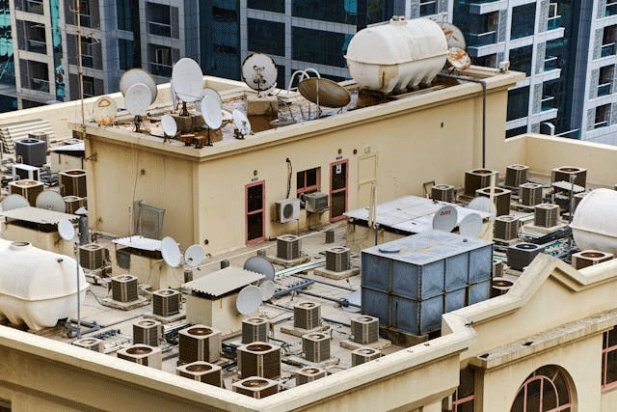
Water stains may appear near roof vents, vent pipes, HVAC curbs, or exhaust openings because these details add to seams, edge flashing, fasteners, and sealing lines. These areas also receive more service traffic, standing water, and surface wear than exposed membrane sections.
Weather in Ohio adds stress to vulnerable areas through freeze-thaw movement, wind-driven rain, and heavy rain. Split, loose, or exposed curb corners can wet the insulation, stain ceiling tiles, and lead to repeated complaints from renters before the source is confirmed. Typical commercial roof inspections should identify high-risk access points, document visible conditions, and prioritize long-term repairs before any other surface patches are applied.
Commercial Roof Stretch Access Points
Seams around penetrations often show initial stress as water is retained longer, especially at openings on the sides of drains and along raised curbs. Damage to this roofing system can cause pooling to linger, separating edges, and exposing old patch work that is no longer properly bonded to the membrane. When movement begins at a curb corner or pipe opening, even a small separation can channel water below the roof surface and spread beyond the visible edge.
A useful inspection lists every hatch, HVAC curb, pipe vent, exhaust vent, drain side penetration, and pipe opening as clearly labeled as appropriate to the building layout. Photos should include tight shots of the flashing and sealant plus wider views showing where details are located on the roof, so interior notes such as ceiling stains or wet insulation can be matched to the exact spot. Keep labels consistent across service tickets and roof maps.
HVAC Restrictions Receive Abuse Every Day
Rooftop HVAC units cause concentrated wear around curbs as technicians require repeated access for service, filters, repairs, and inspections. Foot traffic, tool placement, ducts, and kneeling near the base of the unit can scratch the membrane, loosen flashing, and stretch the sealing ducts. Traces of rust, stained fasteners and exposed panel edges indicate the presence of moisture where water should flow cleanly.
A close inspection around the unit should include missing screws, exposed curb corners, loose counterflashing, dried sealant, and soft spots under the legs. Spongy areas may indicate wet insulation beneath the membrane, especially near units subject to frequent service. Designated roadbeds and service lanes help keep traffic away from flashing lines and vulnerable curb corners, thereby reducing punctures, scuffs and repeat leaks.
Roof Hatches Need Better Inspection
The metal flaps and curb edges concentrate wear on the small footprint, and the membrane around the hatch opening may show scuffing, bent creases, or the finish peeling away from the metal. The lid should fit properly without wobbling, and the latch should pull it down securely so it doesn’t vibrate in the wind. Gaskets require even contact throughout their circumference, not flattened in one area and raised in another, because uneven pressure leaves thin gaps in the corners.
Curb corners are worth looking closely for cracks, raised material, or gaps where the flashing has stretched from repeated opening and closing. Check for exposed fastener heads, small holes in old cover lines, and wrinkles that can direct water toward the curb instead of away from it. Location notes help future service stay consistent, using names like “back stair door” or “barn stair door” on photos, invoices and warranty calls.
Ventilation Creates Small Leak Paths
Vent penetrations create narrow leak paths where pipe boots, collars, clamps and sealing lines meet the roof membrane. Small splits, raised edges, missing compression rings, loose clamps, and stains around the base of the vent indicate water movement throughout the penetration. These defects are easy to miss during a quick inspection of the roof, especially if the vent appears intact from several feet away.
Repeated leaks near the same interior area will prompt a closer look at the leak and water movement around the vent. Look for runoff lines that direct water toward penetration, low spots that trap moisture in boots, and drains that keep details damp. Commercial roof inspections must document ventilation conditions, surrounding slopes, moisture patterns, and repair options before any other surface patches are approved.
Clear Notes Reduce Roof Guesswork
Service invoices sometimes list “patched around unit” or “vent closed,” and such vague wording makes it difficult to attribute repairs to specific curbs, pipes, or hatches. Simple roof notes correct this by noting the inspection date, labeled photos, and the exact access points involved. Records should clearly include the scope of the repair, such as flash reset, boot replacement, curb corner details, or fastener tightening, so that subsequent inspection can confirm what has changed and what has not.
The location of the leak needs to be captured with the same level of detail, including interior spaces, grid lines, or tenant spaces tied to the roof tag. The contractor’s notes should mention repeated problems around the same hatch, vent, curb, or pipe, because repeated problems usually refer to detail problems, not one-time damage. With that history, decision makers can isolate isolated wear and tear from initial roof failure and direct repair funds to access points that continue to pose a risk.
Documented repair standards keep access point leaks from becoming a building problem again. Any hatches, vents, pipe openings, or HVAC edges that have gaps, split boots, loose fasteners, lifted flashing, soft insulation, or repeated staining should be noted and prioritized over sealing with other quick sealants. Labeled photos, roof map notes, interior leak locations, and coverage details help relate each repair to the roofing details involved. Detailed inspections from Ohio roofing contractors give property owners clearer repair orders, reduce repeat service calls, and help limit ceiling stains, wet insulation, and tenant disruption.


Comments are closed, but trackbacks and pingbacks are open.