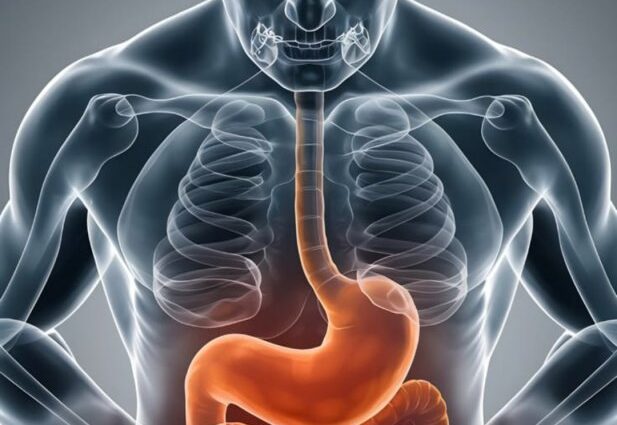
If you or someone you love is undergoing surgery for HPB cancer, it’s natural to wonder what life would be like in another world. HPB is an abbreviation for “hepato-pancreato-biliary,” which refers to the liver, pancreas, and bile duct system, organs that work closely together in digestion. Surgery in this area may sound scary, but many patients live full, active lives afterward.
Let’s talk honestly about what recovery and daily life are like after HPB cancer surgery.
What Actually Is Included in HPB Cancer Surgery?
HPB surgery includes procedures involving the liver, pancreas, gallbladder, and bile ducts. Depending on where the cancer is located, surgery may involve removing part of the liver, part of the pancreas, or other affected tissue. Because these organs play an important role in digestion, surgery in this area requires a highly skilled and experienced surgical team.
The good news is that these organs are highly adaptable. The liver, for example, can regenerate over time, even after most of it has been removed.
Can You Live a Normal Life After HPB Cancer Surgery?
Yes, for many patients, life after HPB cancer surgery can seem almost normal, especially with time, proper treatment, and some adjustments along the way. It’s important to understand that “normal” may look a little different than before, but that doesn’t mean life isn’t full or fulfilling.
Many patients return to work, hobbies, travel, and spend time with family after recovery. The adjustment period varies from person to person, but most people find their new normal within a few months.
What Does Recovery Typically Look Like?
Recovery after HPB surgery tends to occur gradually:
-
The first few days after surgery – you will be closely monitored in hospital as your body begins to recover.
-
First few weeks – Energy levels are usually lower, and digestion may need time to settle. Gentle movement, such as a short walk, is often recommended.
-
One to three months – Strength and appetite usually continue to increase. Many people are gradually returning to light work and daily routines.
-
Three to six months or more – Most patients feel much closer to their usual selves, both physically and mentally.
Recovery timelines can vary slightly depending on the specific surgery performed and your overall health, so it’s a good idea to set expectations with your surgical team rather than compare your progress to other people’s experiences.
Will Your Digestion Change After Surgery?
This depends on which organs are involved. For example, surgery involving the pancreas may affect digestion or blood sugar regulation, as the pancreas plays a role in both. Your medical team will guide you through any necessary dietary adjustments, and many patients adapt well over time with the right support.
In contrast, liver surgery often allows for a smooth return to normal eating habits once healing is complete, thanks to the liver’s ability to regenerate.
What Lifestyle Adjustments May Be Needed?
Although many patients return to their usual activities, there are some common adjustments to make:
-
Eat smaller portions and more frequently, especially if the pancreas is involved
-
Build back up to physical activity gradually, rather than returning to intense exercise straight away
-
Attend regular follow-up appointments to monitor healing and overall health
-
Be aware of fatigue, especially in the first few months, and give your body the rest it needs
These adjustments tend to become second nature over time, rather than feeling like a major life overhaul.
How Can You Support a Smooth Recovery?
A few simple habits can make a real difference in the recovery process:
-
Follow your care team’s guidance carefully, especially around diet and activity
-
Stay as physically active as you can, as gentle movement supports healing
-
Prioritize good nutrition, which helps your body rebuild strength
-
Lean on your support system, whether it’s family, friends, or a support group
-
Be patient with yourself, because healing takes time and doesn’t always go straight
Is Emotional Recovery as Important as Physical Recovery?
Very. Facing cancer and major surgery can bring up many emotions, before, during, and after treatment. Many patients find it helpful to talk to a counselor, join a support group, or simply lean on loved ones during this time. Emotional healing is just as valid a part of recovery as physical healing.
Finding the Right Surgical Team
Because HPB surgery is complicated, choosing an experienced surgical team will make a significant difference in the results and quality of life afterward. If you are looking for the best HPB cancer surgeon in Ahmedabad, look for someone with specialized experience in liver, pancreatic and bile duct surgery.
Patients in Ahmedabad often turn to experienced specialists like Dr. Dhaval Patel, known for his precise surgical skills and genuine patient-centric approach to complex HPB cancer cases. Having the right expert by your side can make a real difference, not only in the surgery itself, but also in helping you get back to living life to the fullest afterward.

Comments are closed, but trackbacks and pingbacks are open.