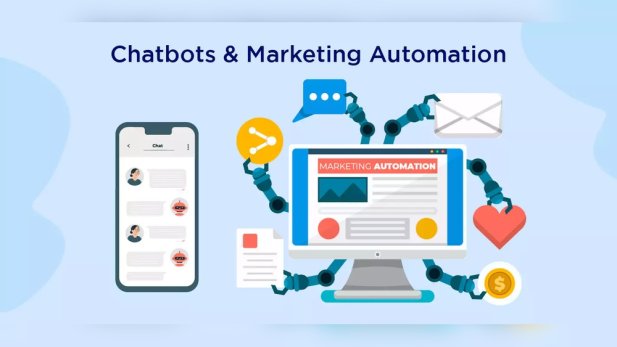
Digital marketing is evolving faster than ever before. Businesses are no longer depending only on emails, phone calls, or manual customer support systems. Today, companies are using marketing automation chatbots to communicate faster, improve customer engagement, and increase sales efficiently.
Modern customers expect quick answers and personalized experiences. If businesses fail to respond instantly, customers often leave and choose competitors instead. This is one of the biggest reasons why chatbot automation is becoming essential for modern business growth.
From startups to global brands, businesses are investing heavily in AI-powered chatbot technology. These tools help companies automate repetitive tasks, improve communication, and create better customer experiences without increasing workload.
In this detailed guide, you will learn:
- What marketing automation chatbots are
- How chatbot systems work
- Benefits for businesses
- Essential chatbot features
- Real-world use cases
- Common chatbot mistakes
- SEO strategies for higher Google rankings
- Future trends of chatbot marketing
Details More Info Visit Here >>>
Marketing automation chatbots are AI-powered software systems designed to automate customer communication. These tools can answer questions, collect leads, provide recommendations, and guide users through the buying process automatically.
Unlike traditional customer support systems, modern chatbots use artificial intelligence and machine learning to understand customer intent and provide personalized responses. Some advanced chatbots can even learn from previous conversations to improve future interactions.
Businesses use chatbot automation across multiple platforms, including:
- Websites
- Facebook Messenger
- Shopify stores
- Mobile applications
For example, if a customer visits an online store late at night and asks about product pricing, a chatbot can instantly provide details, suggest related products, and even offer discounts. This improves customer satisfaction and increases sales opportunities.
One major advantage of chatbot systems is availability. Human teams cannot work continuously without breaks, but chatbots operate 24/7. This means businesses can communicate with customers anytime.
Core Functions of Marketing Automation Chatbots
| Function | Purpose |
|---|---|
| Customer Support | Instant replies to questions |
| Lead Generation | Collect customer information |
| Product Recommendations | Improve sales conversions |
| Appointment Booking | Automate scheduling |
| Follow-Up Messages | Recover potential buyers |
| Customer Engagement | Improve communication |
According to recent industry studies, chatbot automation can significantly improve response speed and customer satisfaction rates.
Customer expectations have changed dramatically over the last few years. People now expect businesses to respond quickly and provide smooth digital experiences. Slow communication often leads to lost sales and weaker customer trust.
Marketing automation chatbots help solve this problem by providing instant support. Instead of waiting hours for replies, customers receive answers within seconds. Faster communication creates better customer experiences.
Another major reason businesses invest in chatbots is cost reduction. Managing large support teams can be expensive. Chatbots automate repetitive tasks and reduce operational pressure on human employees.
Businesses also use chatbots to improve productivity. Instead of answering the same questions repeatedly, support teams can focus on more complex customer issues while chatbots handle common inquiries.
Top Benefits of Chatbot Automation
- Faster customer communication
- Better lead generation
- Lower customer support costs
- Higher conversion rates
- Improved customer engagement
- 24/7 availability
- Better marketing automation
Chatbots also help businesses improve retention. Customers who receive fast and helpful support are more likely to trust the brand and return later.
Chatbot Industry Statistics
| Statistic | Result |
|---|---|
| Customers preferring instant support | 90% |
| Businesses using AI chatbots | 80%+ |
| Lead generation increase | Up to 55% |
| Support cost reduction | Up to 30% |
| Conversion rate improvement | 20%–40% |
These statistics show why chatbot marketing is growing rapidly worldwide.
One of the biggest advantages of chatbot automation is increased sales performance. Chatbots guide customers through the buying process and help businesses convert visitors into buyers more efficiently.
Many customers leave websites because they cannot find quick answers. Chatbots reduce this problem by providing instant assistance. When users receive immediate support, they are more likely to complete purchases.
AI-powered chatbots can also analyze customer behavior. If a visitor repeatedly checks a product page, the chatbot can recommend discounts, related products, or personalized offers. This creates stronger buying motivation.
Lead generation becomes easier with chatbot conversations. Instead of asking users to complete long forms, businesses collect customer information naturally during conversations. This often increases engagement and lead quality.
Sales Features That Improve Conversions
| Feature | Business Benefit |
|---|---|
| Product Recommendations | Higher conversions |
| Cart Recovery Messages | Reduced abandoned carts |
| Personalized Offers | Better engagement |
| Instant Customer Support | Faster decisions |
| Automated Follow-Ups | Improved retention |
Chatbots can also reconnect with customers who leave websites without buying. Automated reminders and promotional messages often help businesses recover lost sales.
Marketing experts believe chatbot automation will continue becoming one of the strongest sales tools in digital marketing.
Not every chatbot offers the same level of quality. Some systems are basic, while others use advanced artificial intelligence for more natural communication.
Businesses should carefully choose chatbot platforms based on features and long-term business goals.
Important Chatbot Features
AI-Powered Conversations
Modern chatbots should understand natural language and provide human-like responses. Robotic communication creates poor customer experiences.
Lead Capture and Qualification
A strong chatbot should collect:
- Names
- Emails
- Phone numbers
- Customer interests
This information helps businesses improve marketing campaigns and customer targeting.
CRM Integration
Integration with CRM platforms helps businesses organize customer data and improve communication tracking.
Analytics and Reporting
Businesses should monitor:
- Conversion rates
- Engagement levels
- Customer behavior
- Response performance
Analytics help companies improve chatbot strategies.
Multilingual Communication
Businesses with international audiences benefit greatly from multilingual chatbot support.
Advanced Chatbot Features
| Feature | Purpose |
|---|---|
| AI Learning | Improves responses over time |
| Workflow Automation | Saves time |
| Voice Assistance | Better accessibility |
| Social Media Integration | Multi-platform communication |
| Human Support Transfer | Better customer experience |
Businesses that use advanced automation often improve both efficiency and customer satisfaction.
Many industries are now using chatbot technology successfully. These tools are helping businesses improve communication and automate daily operations.
E-Commerce Industry
Online stores use chatbots for:
- Product recommendations
- Shipping updates
- Order tracking
- Cart recovery
This improves customer experiences and increases sales.
Healthcare Industry
Healthcare businesses use chatbot systems to:
- Schedule appointments
- Answer patient questions
- Send reminders
- Provide support information
Automation reduces pressure on healthcare staff.
Education Platforms
Education businesses use chatbots to:
- Guide students
- Recommend courses
- Handle FAQs
- Improve enrollment processes
Students receive faster and more organized support.
Real Estate Businesses
Real estate companies use chatbots for:
- Property inquiries
- Appointment scheduling
- Lead collection
- Customer follow-ups
Automation improves lead management efficiency.
Hospitality Businesses
Hotels and travel companies use chatbots to:
- Manage bookings
- Answer customer questions
- Provide travel recommendations
- Improve customer engagement
This creates smoother customer experiences.
Although chatbot automation offers many benefits, poor implementation can create negative customer experiences.
One common mistake is over-automation. Some businesses remove human support completely. Customers still want real human assistance for complex situations.
Poor chatbot design is another major problem. Confusing chatbot flows and repetitive responses frustrate users and reduce trust.
Common Chatbot Mistakes
| Mistake | Negative Result |
|---|---|
| Over-Automation | Poor customer satisfaction |
| Generic Replies | Lower engagement |
| No Human Support | Customer frustration |
| Weak Personalization | Reduced trust |
| Ignoring Analytics | Poor optimization |
Businesses should also avoid robotic communication. Personalized conversations create better engagement and stronger relationships.
Best Practices for Better Chatbot Performance
- Combine automation with human support
- Personalize customer interactions
- Monitor chatbot analytics regularly
- Improve chatbot flows continuously
- Focus on customer satisfaction
Businesses that optimize chatbot systems properly often achieve stronger long-term growth.
Creating chatbot-related content is not enough anymore. Businesses must create SEO-friendly and high-quality content that Google trusts. If your content is helpful, informative, and optimized correctly, ranking becomes much easier.
Google now prioritizes content that provides real value to users. Thin or robotic content often struggles to rank. This is why businesses should focus on creating detailed and human-like articles.
To Know More About Visit Here>>>
Important SEO Strategies for Better Rankings
Use Clear Keywords Naturally
Businesses should use important keywords naturally throughout the article.
Examples:
- Marketing automation chatbots
- AI chatbot marketing
- Chatbot automation tools
- Customer engagement chatbots
Keyword stuffing should always be avoided.
Create Helpful and Informative Content
Google prefers content that solves real user problems.
Good content should include:
- Detailed explanations
- Step-by-step guidance
- Real examples
- Statistics and tables
- Expert insights
Helpful content often ranks longer and performs better.
Improve Readability
Easy-to-read content improves user experience.
Best readability practices:
- Use short paragraphs
- Add bullet points
- Use headings and subheadings
- Write in simple language
Readable content keeps visitors on the page longer.
Add EEAT Signals
Google values:
- Experience
- Expertise
- Authoritativeness
- Trustworthiness
Businesses should include:
- Real experiences
- Industry insights
- Accurate information
- Trusted sources
This helps build authority and trust.
Optimize User Engagement
Google tracks user behavior.
To improve engagement:
- Write strong introductions
- Use tables and lists
- Add FAQs
- Keep content useful and practical
Higher engagement often improves rankings.
SEO Optimization Checklist
| SEO Element | Why It Matters |
|---|---|
| Keyword Optimization | Helps Google understand content |
| Internal Linking | Improves website structure |
| Fast Loading Speed | Better user experience |
| Mobile Optimization | Higher mobile rankings |
| Helpful Content | Better engagement |
| EEAT Signals | Stronger trust and authority |
Businesses that focus on SEO quality instead of shortcuts usually achieve stronger long-term Google rankings.
The future of chatbot automation looks extremely strong. AI technology is improving rapidly, and businesses are becoming more dependent on automation systems.
Future chatbots will become more intelligent and more human-like. They will better understand customer emotions, behavior, and context.
Voice-powered chatbot systems are also growing quickly. Many businesses are now integrating voice AI into customer support and marketing strategies.
Personalization will continue improving as AI systems become smarter. Future chatbot experiences may be customized based on:
- Browsing history
- Customer preferences
- Purchase behavior
- Real-time interactions
Future Chatbot Trends
| Trend | Expected Impact |
|---|---|
| AI Personalization | Better customer experiences |
| Voice AI | Faster communication |
| Predictive Recommendations | Smarter marketing |
| Omnichannel Support | Better user journeys |
| Advanced Automation | Improved efficiency |
Experts believe chatbot automation will become a standard part of digital business strategies in the coming years.
Businesses that adopt AI technology early may gain stronger competitive advantages in the future.
Marketing automation chatbots are becoming essential tools for modern businesses. They improve customer communication, increase engagement, and help companies generate more sales opportunities.
Businesses using chatbot automation effectively often experience:
- Faster support
- Better lead generation
- Higher conversions
- Lower operational costs
- Improved customer satisfaction
However, success depends on strategy. Companies should focus on creating helpful, personalized, and user-friendly chatbot experiences.
Businesses that combine AI automation with high-quality content and SEO optimization often achieve the strongest long-term growth.
Final Benefits Summary
| Benefit | Business Impact |
|---|---|
| Instant Communication | Better customer engagement |
| Automated Workflows | Higher efficiency |
| Personalized Experiences | Stronger loyalty |
| AI Automation | Reduced workload |
| Better SEO Content | Higher Google rankings |
The future of digital marketing will continue moving toward automation, personalization, and AI-powered customer experiences.
What is a marketing automation chatbot?
It is an AI-powered tool that automates customer communication and marketing tasks.
Can chatbots improve sales?
Yes. Chatbots guide customers through the buying process and improve conversions.
Are chatbots useful for small businesses?
Yes. Small businesses use chatbots to save time and improve customer communication.
Do chatbots work 24/7?
Yes. Most chatbot systems operate continuously without breaks.
Why is SEO important for chatbot content?
SEO helps chatbot-related content rank higher on Google and attract more organic traffic.
To Know More About Visit Here>>>


Comments are closed, but trackbacks and pingbacks are open.